
Starting Puppy Training
- Jan 5
- 3 min read
Because habits don’t “pass with age” — they solidify.
⸻
There’s a lot of advice out there about puppy training, and most of it sounds like this:
“Let them be a puppy.”
“They’ll grow out of it.”
“Just focus on socialization for now.”
The problem is that puppies don’t grow out of behaviors — they grow into them.
At Elite K9 Service, we start puppy training early, calmly, and with structure. Not because puppies need to be punished — but because early structure creates confidence, focus, and good habits that maturity can build on later.
Here’s how to start puppy training the right way.
⸻
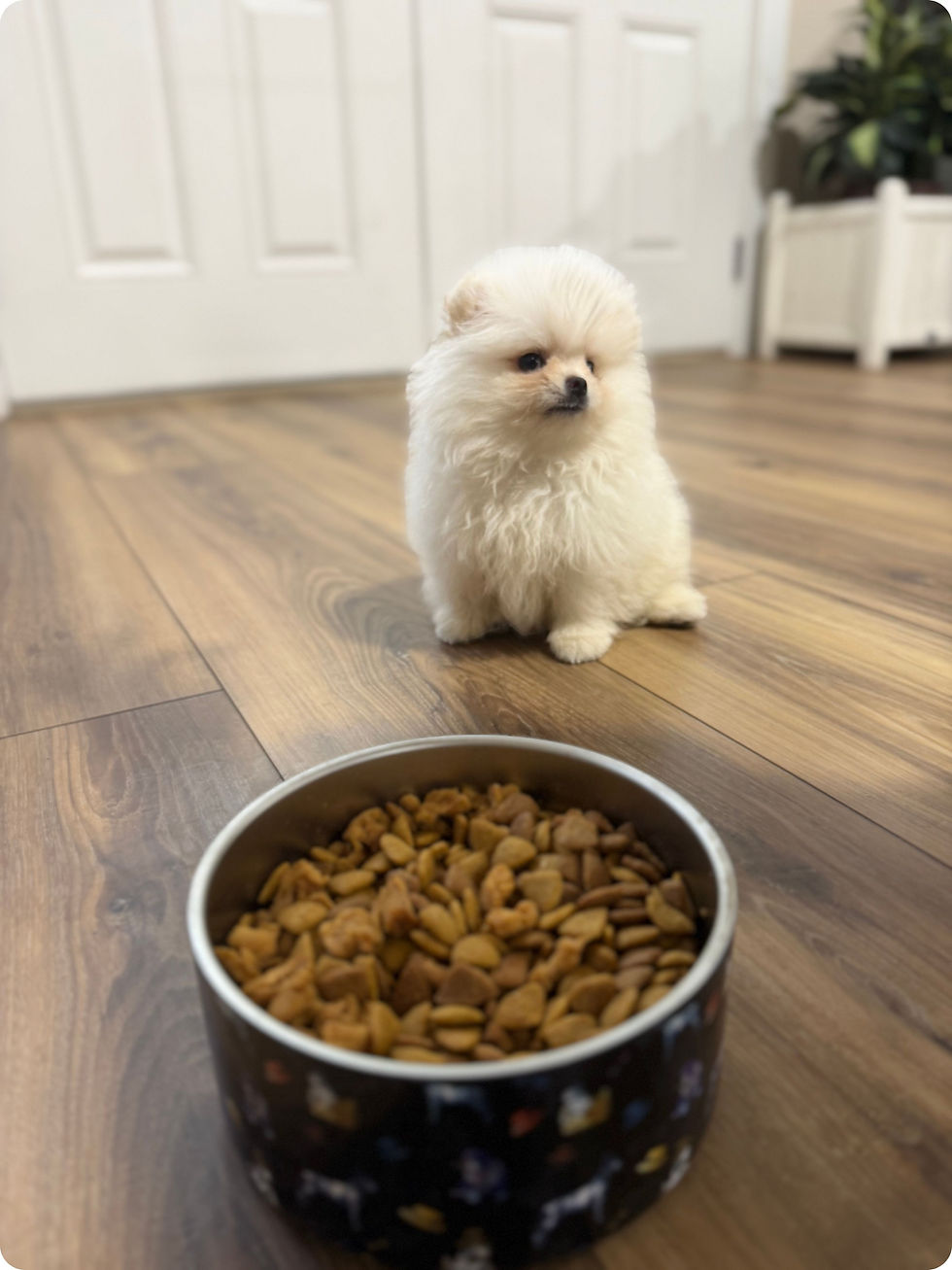
1. Training Starts With Hand Feeding
Before commands, before walks, before distractions — training starts with how your puppy eats.
Hand feeding teaches:
• Focus on you
• Calm behavior around food
• That good things come from engagement, not demand
You’re not bribing — you’re building a relationship.
Meals become training opportunities, not just calories in a bowl.
This is where communication begins.
⸻
2. Keep Sessions Short — But Consistent
Puppies don’t lack intelligence — they lack stamina.
Instead of one long session, aim for:
• 30 minutes in the morning
• 30 minutes in the evening
• 30 minutes at night
These aren’t nonstop drills. They’re structured interaction: obedience, walking, Place, calm time, and engagement.
Five minutes of near-perfect focus matters more than thirty minutes of chaos.
⸻
3. Teach Calm Before Commands
Most puppies aren’t “hyper” — they’re unmanaged.
Before Sit, Down, or Come, teach your puppy how to:
• Relax
• Settle
• Stop moving when asked
• Exist without constant stimulation
Calmness is a skill.
A calm puppy learns faster than an excited one.
⸻
4. Introduce Obedience Early (Without Pressure)
Puppies can absolutely learn:
• Sit
• Down
• Place
• Heel (short distances)
• Come (on leash)
At this stage:
• Use positive reinforcement
• Guide gently with the leash
• No harsh corrections
You’re teaching what the words mean, not enforcing perfection yet.
⸻
5. Start the “No” Command — Light and Clear
Anything you don’t want your puppy to do — biting, jumping, ignoring you, grabbing objects — is where “No” begins.
This doesn’t mean heavy correction.
It means:
• Clear timing
• Calm tone
• Immediate redirection
“No” is communication first. Enforcement comes later.
⸻
6. Don’t Rely on Maturity to Fix Problems
Some things improve with age — bladder control, teething, coordination.
Most behaviors do not fix themselves:
• Pulling
• Jumping
• Reactivity
• Ignoring commands
• Poor focus
If a puppy can’t hold it together for five minutes now, maturity won’t magically give them thirty minutes later.
Training creates the foundation. Maturity just strengthens it.
⸻
7. Structure the Puppy’s Freedom
Freedom is earned — even for puppies.
That means:
• Supervision or crate time
• Leash indoors if needed
• Place for calm time
• No roaming until manners exist
This prevents bad habits from becoming default behaviors.
⸻
Key Takeaway
Starting puppy training isn’t about being strict — it’s about being clear.
Hand feeding builds focus.
Short sessions build success.
Calmness builds learning.
Early structure builds reliability later.
At Elite K9 Service, we don’t wait for puppies to “grow up” before training them.
We train them so they grow up right.



Comments